AGP Executive Report
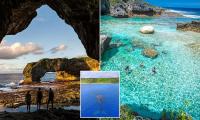
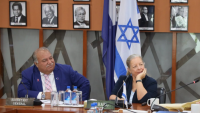
Last update: 6 hours agoDeep-sea minerals & sovereignty: A new U.S. “Ship Rider Agreement” with the Solomon Islands has sparked sharp debate at home, with opposition leaders accusing the government of “selling sovereignty” and calls for the deal to be tabled in parliament; regional experts point to existing Pacific frameworks like the Niue Treaty on fisheries surveillance and law enforcement as proof PICs can exercise control in ocean governance. Renewables & power resilience: Niue’s new solar and battery storage system (installed by Sunergise) is cutting reliance on diesel generators and backing the push to raise renewable energy use—an approach Samoa is now looking to scale. Climate readiness funding: The Global Environment Facility approved NZ$24.2m for Fiji, FSM, Tuvalu and Vanuatu to strengthen early warning systems and climate-resilient infrastructure, with co-financing expected to add NZ$74.3m, focusing on flood, sea-level rise, cyclones and coastal erosion planning before construction. Seabed mining diplomacy: A U.S. ambassador to Samoa said the U.S. will respect Samoa’s position on seabed mining in its EEZ and frame the issue as an “information” conversation rather than pushing policy. Policy debate on deep-sea minerals: An op-ed argues the Pacific’s deep-sea minerals discussion is moving beyond simple “for or against” toward “follow the science, protect the environment, do no harm,” with different countries emphasizing different pathways and safeguards. Culture: Ché Fu reflects on 25 years since his Navigator era, highlighting identity and resilience themes that still resonate across Pacific music.
Note: AI summary from news headlines; neutral sources weighted more to help reduce bias in the result. Feedback is welcome. Please let us know if you have any comments or suggestions about the AGP Executive Report.